

Just one fleet vehicle breakdown cost an average of $2,491, far more than the entire $1,481 average annual bill for that same vehicle’s preventative maintenance. However, nearly 12% of companies operate reactively. This trap sticks them with the larger cost.
How can your fleet avoid this issue and save the most money while operating smoothly and effectively? That’s what we just found out, thanks to our new 2026 survey of fleet professionals
From in-house mechanics to vehicle software, these top peer-approved strategies allow today’s fleets to stay proactive and avoid downtime.
In this guide:
Key Takeaways
- Create a scheduled maintenance program during off-peak hours to reduce vehicle downtime.
- Combine preventative routines with predictive technology solutions for the highest fleet uptime.
- Keep a reserve vehicle to cover operational gaps following a breakdown to prevent average losses of $120 per day.
- 63% of fleet professionals recommended partnering with a reliable third-party repair service, while 60% also suggest hiring an in-house mechanic.
Don’t Fall for the Reactive Trap
Waiting for your vehicles to fail will save you money in the short term, since you won’t pay for preventative maintenance. However, it costs far more in the long run. In short, waiting to react is a trap, and staying proactive is the solution.
Thankfully, this pitfall hasn’t tripped up most fleets, with just one in eight (12%) saying they have no preventative maintenance plans whatsoever. Here’s the exact rundown of how fleets approach the issue, drawing on Tech.co survey data.
| Rank | Maintenance Strategy | Percentage (%) |
|---|---|---|
| 1 | Combination of preventative and predictive | 53.1% |
| 2 | Preventative (scheduled servicing) | 27.8% |
| 3 | Reactive (repair after failure) | 11.5% |
Ultimately, layering multiple plans is the best way to ensure a high fleet uptime across all vehicles. You should combine steady preventative practices with predictive technology solutions.
It’s even wise to settle on some worthwhile reactive strategies for when your next breakdown inevitably rolls around – as long as those aren’t your only strategies.
Recommended Preventive Maintenance Strategies
Our survey analysis surfaced four big strategies, each of which encompasses a set of tactics.
Build a sturdy preventative maintenance program
The single most effective way to reduce vehicle downtime? Create a scheduled maintenance program, a decision recommended by an impressive 74% of all respondents.
It makes sense: You will only avoid the reactive trap by planning a proactive routine. This routine looks like a regular, scheduled check-in for each of your fleet vehicles. Key problem areas include braking, wheels, fluids, batteries, and suspension systems, but you’ll likely have many more items to add to that checklist.
Three tactics will help you build the perfect program. First, 38% of fleet professionals recommend scheduling maintenance during off-peak hours or overnight. Your daily operation is most important, and non-emergency vehicle work can be slotted in during quieter hours.
Second, consider creating a vehicle rotation system that will kick in only when vehicles are being serviced. 33% recommend this tactic to ensure you always have vehicles in use, although it requires having an excess of vehicles in relation to your drivers (more on that later).
Finally, 20% of fleet pros recommend using software to schedule appointments. The right fleet management software can track preventative maintenance, and some vehicle providers offer packages that do the same. The 2027 Ford Super Duty series works with Ford Pro Telematics through an embedded modem. These telematics support maintenance scheduling, as well as predictive diagnostics and poor driving habit alerts.
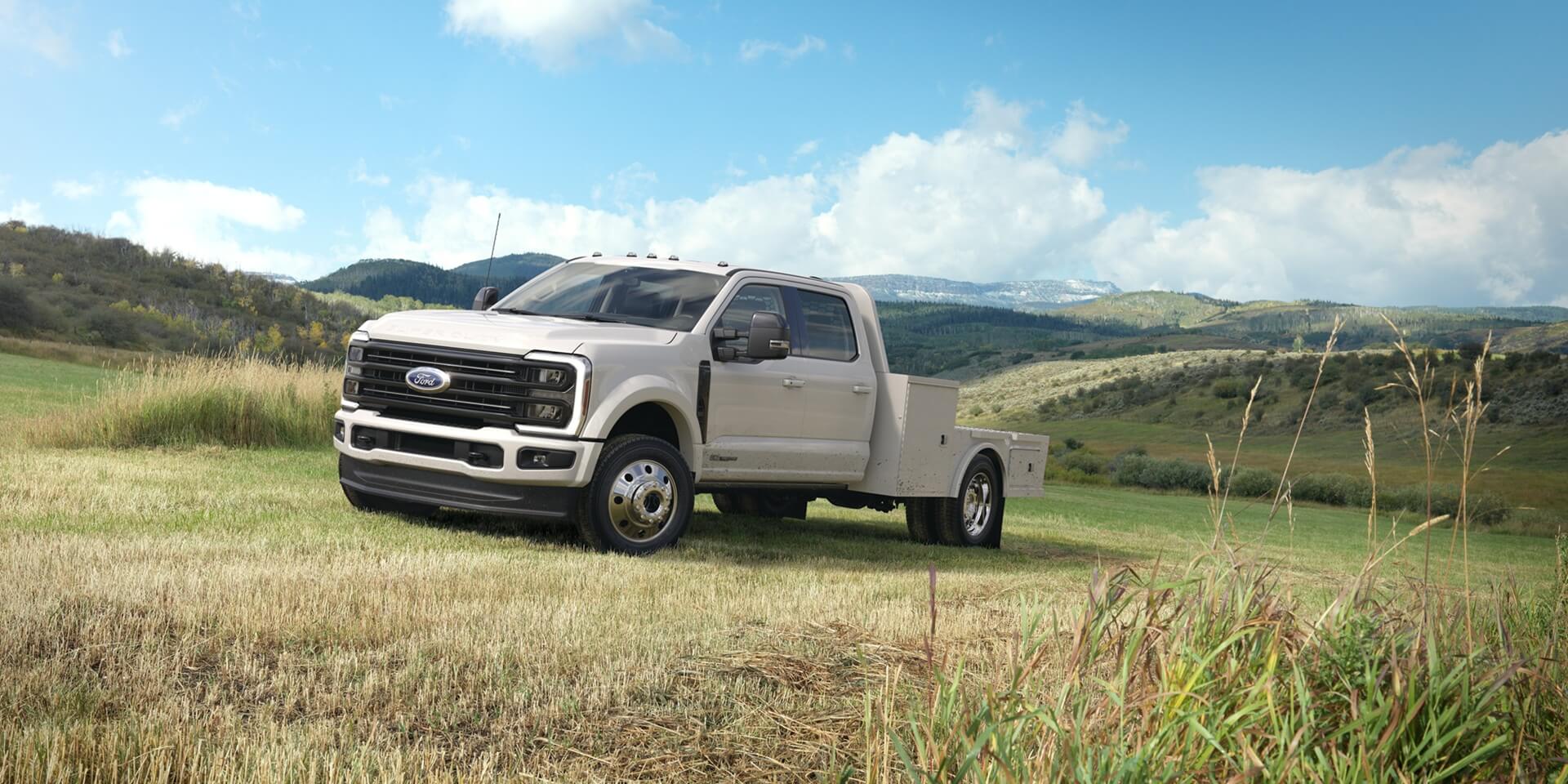
The 2027 Super Duty F-550 Platinum Chassis Cab has aftermarket equipment seen here, as well as a Carhartt package. Source: Ford
In-house mechanic vs. third-party repair
After a preventative maintenance program, the second and third most-recommended strategies were to partner with a reliable third-party repair service (63% recommended) and hiring an in-house mechanic (60%).
In both cases, you’re setting up a course of action to help you quickly repair a vehicle in the aftermath of an unplanned breakdown. The two options have pros and cons:
- Third-party repair service: Establishing a partnership with a trusted local shop saves money and increases the chance of a fast repair, while not guaranteeing it.
- In-house mechanic: Paying a salaried mechanic gets you the fastest, most knowledgeable service possible. The downside is that your fleet will have to be pretty large to generate enough breakdowns to justify the high price tag.
Small fleets are more likely to opt for one or more partnerships with local mechanic shops, while large fleets are best off combining local partners with an in-house worker.
Encourage driver awareness
A fleet functions best when its drivers are all working to ensure vehicles stay healthy. Managers can encourage this driver buy-in with three top tactics.
First, according to one in four (25%) fleet professionals, you should consistently assign the same vehicle to the same driver. The sense of ownership is stronger, and they’ll have an opportunity to catch small changes that occur over time, from increasing steering wheel vibrations to a drop in brake pedal resistance.
Additionally, 19% highlight the value of giving drivers clear accountability measures for vehicle condition, while 14% stress the importance of promptly addressing any issues reported by drivers. Clarity and accountability will show your drivers that you care.
Keep a reserve vehicle
Finally, nearly half of our survey respondents (47%) agree: The best way to boost fleet uptime is to purchase a reserve vehicle to cover the gap following a breakdown.
Granted, that’s a big upfront investment, but it will keep your business running continually – some estimates put average losses due to a breakdown at $120 per day, and that can add up fast. Some vehicle providers can help with this as well: For example, Ford Pro FinSimple provides flexible commercial financing or leasing.
A reserve vehicle was the most popular solution for keeping vehicles on the road, by far. Additional tactics included calling multiple repair shops to get the fastest appointment (15% recommended), and simply renting a vehicle (13%).
Methodology: How We Researched Fleet Downtime Risks
All statistics used in this article are drawn from 400 respondents, all of whom were US fleet professionals in the construction, field services, and utilities industries, and working within organizations of 10 or more employees. Our survey and analysis was conducted in July 2026.
We also paired our survey data with third-party industry benchmarks regarding employee wages and repair expenses, in order to determine our cost analysis for vehicle breakdowns and preventative maintenance.
Next Steps: Revamp Your Preventative Maintenance
Sitting around doing nothing until your next breakdown is a mistake. Yet building a quality preventative maintenance plan takes time and effort. As you start working on your own preventative plan, our analysis has one core takeaway: Resilience through redundancies.
Your fleet should rely on telematics to predict upcoming mechanical failures while also regularly going through its preventative checklist. Many fleets will establish relationships with local shops while also hiring a full-time mechanic. Consistently assign vehicles to drivers, while also responding promptly when they flag a concern.
The best trucks will stay on the road the longest. If you need a reserve vehicle, shop Ford Super Duty for the hardware and service packages that will keep a fleet operating at full capacity.
- EGR Valve
- Fuel Pump
- Radiator
- Suspension Ball Joint
- Fuel Tank
- Track Bar
- Tie Rod
- Clutch
- Steering Gearbox
- Battery
- Brake Pads
- Alternator
- Wheel Replacement
- Engine Mount
- Engine Coolant