Key Takeaways
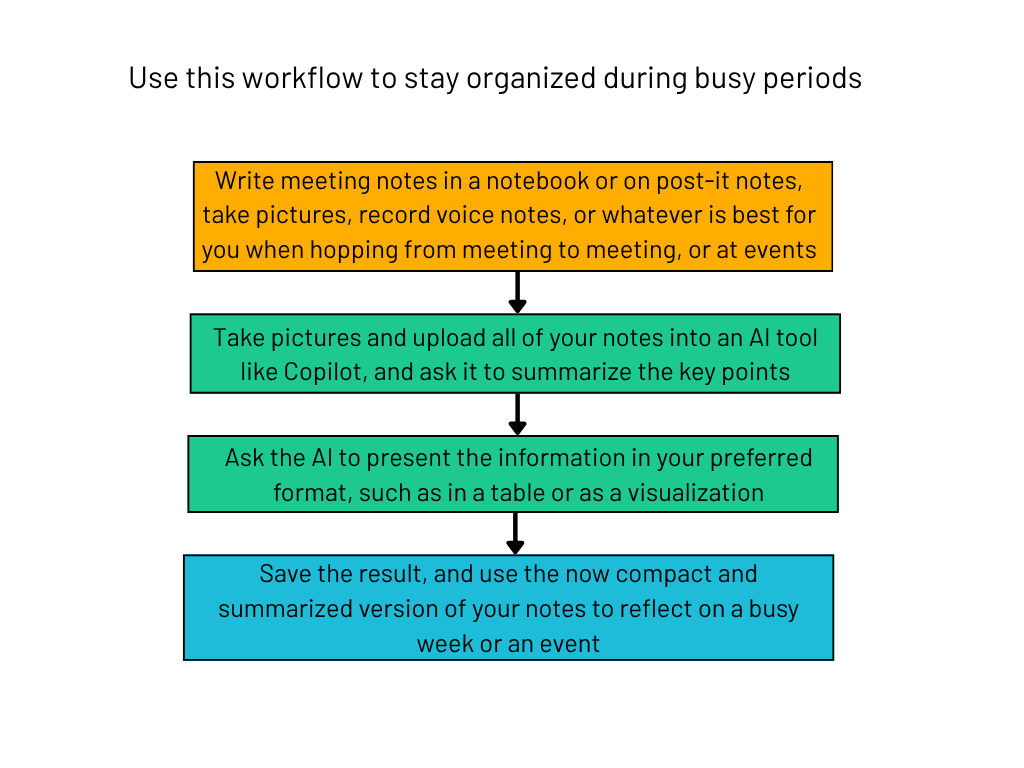
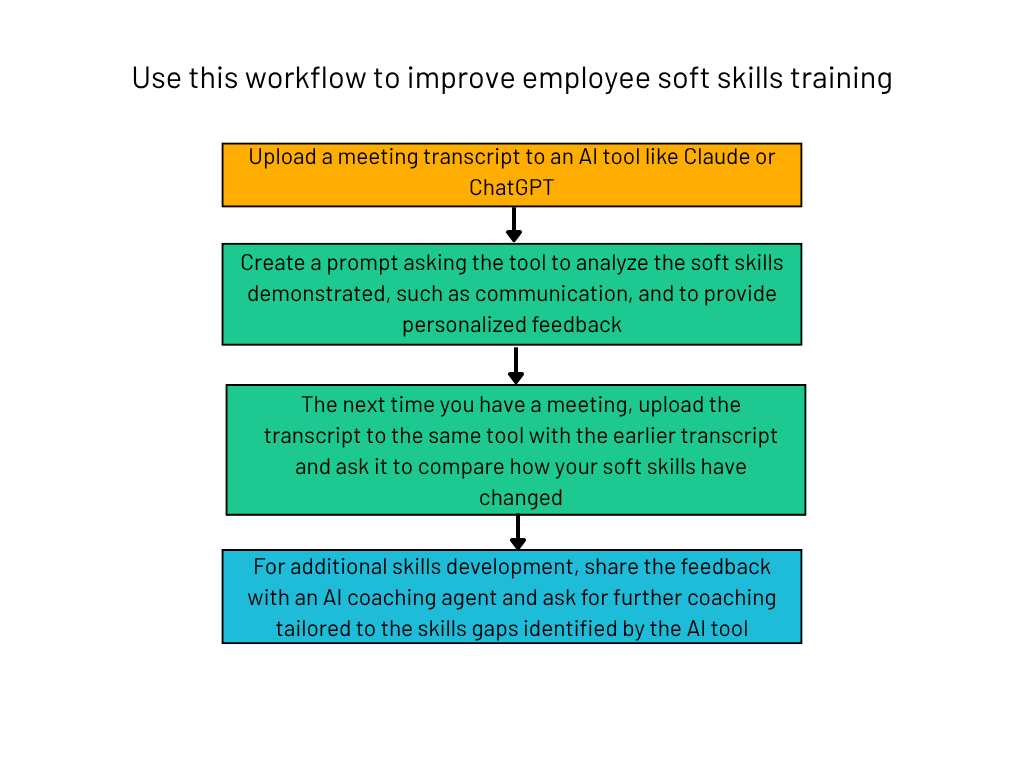
- AI has changed employee productivity monitoring software, which can now use real-time data sources to track employee performance
- Companies investing in this technology might see improvements in productivity, however, there is a risk of impacting employee-manager relationships by having AI conduct what should be human work
- It can be difficult to determine what consistutes productivity, and how adept new tools are at monitoring a working landscape that continues to change
Employee productivity tracking isn’t new. Companies across industries have been using tools to track employee activity for decades, sometimes through simple URL and calendar monitoring, or through more extreme cases like screen recording.
AI is enhancing the capabilities of these tools. The technology can provide real-time insight into employee activity, allowing managers to monitor productivity with greater accuracy. While this can bolster performance, leadership risks diminishing employee freedom and trust.
I spoke to Sam Naficy, CEO of employee productivity software Prodoscore, and Dr. Kyle Elliott, a tech career coach, about the topic of AI-enhanced productivity tracking tools.
AI is Changing Today’s Workforce
Middle management is important to Sam Naficy. He believes these roles will become increasingly more essential as AI continues to impact work. This belief underpins his work at Prodoscore, the employee productivity monitoring software, where he is CEO.
“I think AI will make good employees very good,” Naficy tells me. His software, he says, lets managers and employees alike answer the question of: how do you replicate good?
 This just in! View
the top business tech deals for 2026 👨💻
While Naficy has spent his career focused on managers, Dr. Kyle Elliott sees both sides of the coin. For the past nine years, he’s been a tech career coach in Silicon Valley, matching clients with roles at Meta and Google, for example. He works with both tech executives and HR leaders, and so has access to not only how AI is being implemented, but how executives are reacting to it.
“The sentiment is mixed,” he tells me. “Most of them are like, this is just part of tech. Tech is constantly evolving and we’re always having some sort of new innovation, new change come out, and we have to adapt to it.”
The Case for The Ambitious Employee
Prodoscore is an employee productivity monitoring software that aggregates data from cloud-based tools. It doesn’t track URLs, mouse clicks, or access the camera. Naficy explains how it should be used for managers and employees to replicate what a good employee looks like.
During our interview, he gives an example involving the two of us. He’s an average employee, I’m a great one. If he’s a good employee, he’ll want to learn from me, to become better. Prodoscore provides what he calls a “blueprint” for how, in this case, he can become more like me.
“If you’re a good employee of any organization, you want to thrive. You want to see what good looks like, and who is doing a good job.” – Sam Naficy, CEO at Prodoscore
Increased visibility for employees could lead to better performances. It gives people exactly what they need to emulate the success of another in their role, and to get better at what they do, which is beneficial for both employee and company.
However, Elliott argues top performers might falter under a system of consistent tracking. For example, if management are monitoring key strokes, or the content of an employee’s calendar, employees may just wiggle their mouse, or fill up their calendar with meetings, for the sake of appearing productive.
In that case, ambitious employees might become complacent. No need to actually do any work when it appears you are, and are being rewarded for it. It therefore takes consideration, according to Elliott, about what’s important for your company to track.
The Importance of Transparency and Trust
In the context of AI tracking tools, Elliott believes the relationship between manager and employee is changing, and might be at risk. Not only are these kinds of tools suggesting “we don’t trust you, so we need to monitor you,” according to Elliott, but it’s giving managers a scapegoat to avoid having difficult conversations with employees.
“Instead of saying your performance is not meeting expectations, your output’s lacking, instead they can just point to keystrokes or mouse clicks instead of having a real conversation,” he explains.
These kinds of conversations are what create company culture, by growing individual relationships between workers and their supervisors. Managers aren’t just there to ensure their employees are working. Employees want to feel seen and heard by management, especially if they’re going through a hard time.
Naficy makes it clear his technology is not meant to be punitive. He acknowledges that a big reason for declines in performance at work could very well link to personal troubles, and that productivity tools provide “a coaching opportunity for the manager.” Like a nudge, he suggests, for them to speak with an employee to see what’s going on.
Where both Naficy and Elliott agree is on the topic of transparency. Naficy calls his solution deliberately “employee-centric,” which is why all of the data Prodoscore provides goes to the employee, first and foremost.
“I think there is monitoring that’s legitimate and you have to be really clear about what’s being monitored, and then communicate that to employees because they’re going to find out.” – Dr. Kyle Elliott
For Elliott, what’s most important is being honest and open with employees. “You have to be really clear about what’s being monitored,” he says. “Is it time on your computer? Is it taking screenshots?”
In fact, Naficy argues these tools can increase the amount of transparency an employee receives on company decisions. He gives the example of 360 reviews becoming more objective, based on concrete productivity data derived from the tools you’re using day-to-day.
The Kind of Work That Can’t Be Tracked
During our interview, Elliott points out with a smile that I’m not touching my keyboard. He asks, “Does it know we’re engaging?”
This is a problem with the spine of productivity monitoring tools: what constitutes productivity? Who’s to say I’m not being productive away from my desk, having a conversation with a colleague, or even having a conversation with Elliott for this article? The laptop gets none of that productivity, from a data perspective.
Elliott mentions a recent call he had with the director at a Fortune 500 company. “During our call, she is literally wiggling her mouse the entire time because she doesn’t want to be shown as idle, because it’s a metric they track.” In this case, it’s obvious the wrong thing is being tracked.
A similar case can be made in regard to creative work, which often falls outside the confines of typing on a computer. Ideation, brainstorming, prototyping, all of this is productive work, but it can’t necessarily be tracked as easily as clicks.
“That person that’s playing pingpong with a colleague and having a conversation, that person’s going on a walk with a colleague, that person’s going on a walk by themselves… I think that’s the most important work, that human work.” – Dr. Kyle Elliott
This work, according to Elliott, is “the most important work” an individual can do. Coffee-trip conversations with colleagues can spark ideas, a problem we’ve been sitting with for weeks can unravel with an afternoon walk. This is the kind of meaningful work that moves companies, and should contribute to how valuable an employee’s day has been in the eyes of a manager.
Anything that is monitored, therefore, should take into account the whole picture. As AI changes the way that we work, and what managers and employees need within companies shift, leaders should remain flexible and open to new ways of recording wins.